

How Beneficial is the Social Security COLA 2026 for Caregivers?
If you care for an aging parent, spouse, or disabled loved one, you already know how fragile household finances can be. Every grocery bill, prescription refill, or home-care supply chips away at your budget. That’s why the Social Security COLA 2026 for Caregivers deserves your full attention.
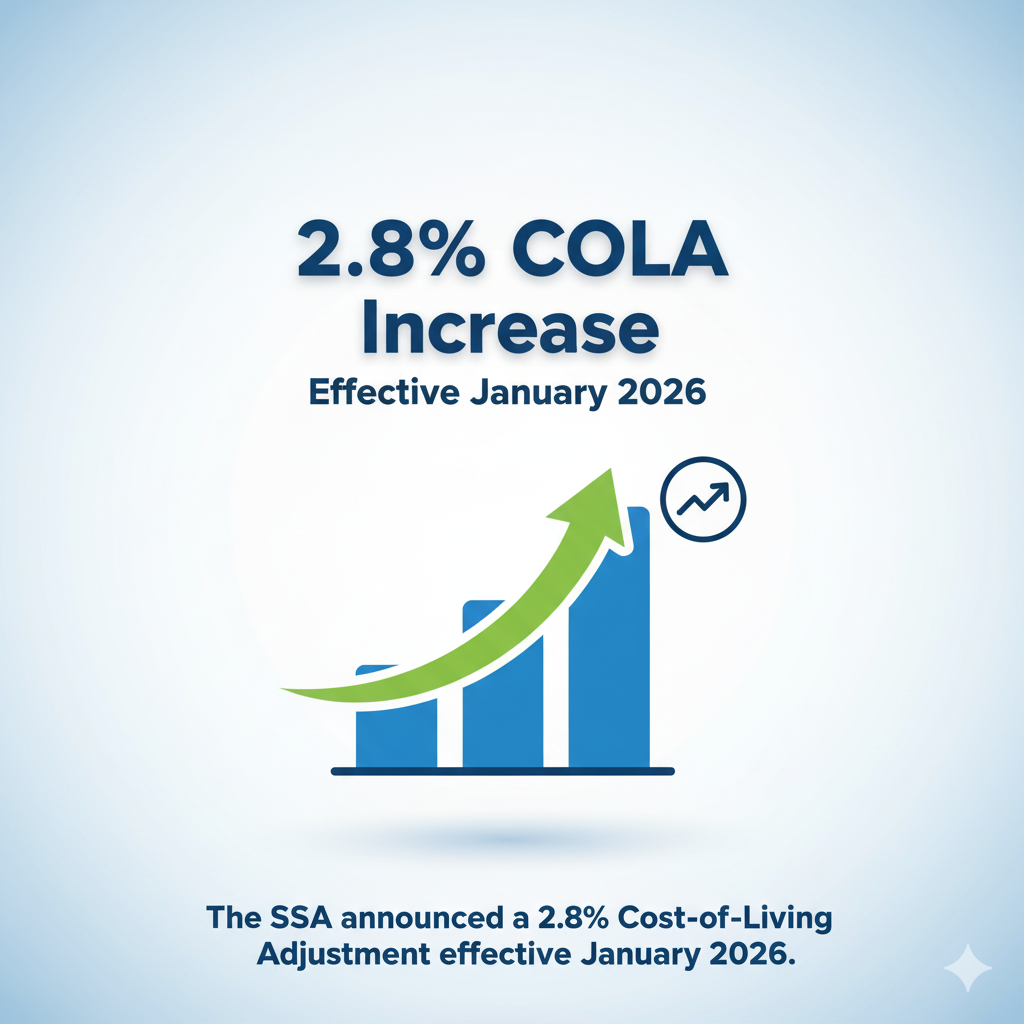
This year’s Cost-of-Living Adjustment (COLA) raises Social Security and Supplemental Security Income (SSI) payments by 2.8 percent, effective January 2026. While that may sound modest, it means an average $56-per-month boost for beneficiaries—money that can directly or indirectly ease the load for family caregivers.
In this complete guide, we’ll unpack how the 2026 COLA works, why it matters to caregivers, and how you can stretch those extra dollars to protect both your loved one’s comfort and your own well-being.
Understanding the 2026 Social Security COLA
What Is COLA?
The Cost-of-Living Adjustment is an automatic benefit increase tied to inflation. Each fall, the Social Security Administration (SSA) measures price changes using the Consumer Price Index for Urban Wage Earners and Clerical Workers (CPI-W). When living costs rise, COLA ensures that Social Security and SSI benefits rise too, preserving recipients’ purchasing power.
The 2026 COLA Increase at a Glance
For 2026, the SSA announced a 2.8 % COLA, following moderate inflation through mid-2025. Payments reflecting the new rate will reach roughly 71 million Americans in January 2026. Although not a record-breaking jump, it’s higher than pre-pandemic averages and offers welcome relief to seniors living on fixed incomes.
Why It Matters for Caregivers
Many caregivers rely on a loved one’s Social Security check to fund part of home care, medical bills, or daily living costs. The Social Security COLA 2026 for Caregivers effectively increases that pool of funds. Even a few extra dollars can mean additional groceries, transportation, or a short respite break.
How the COLA Impacts Family Caregivers
Rising Costs and Shrinking Margins
Inflation affects everyone, but caregivers feel it twice: once through personal budgets and again through the costs of supplies, food, and medical equipment for those they support. The 2.8 % COLA won’t erase inflation’s bite, yet it helps offset ongoing price climbs in essentials like utilities and healthcare.
The Ripple Effect on Care Budgets
A senior receiving an extra $56 per month could redirect part of that toward paid respite, medication co-pays, or transportation to appointments. Over a year, that’s nearly $700 in additional income—a modest but meaningful cushion for families balancing multiple expenses.
Planning Beyond the Boost
Smart caregivers will integrate this new COLA amount into a realistic annual budget. If your parent’s Social Security covers rent or assisted-living costs, revisit those numbers. Use the COLA as a trigger to evaluate insurance, medication plans, and your own retirement savings.

How to Leverage Social Security and Related Benefits
Does Social Security Pay Family Caregivers?
Directly? Not usually. Social Security doesn’t pay wages for caregiving hours. However, in limited cases—such as a parent caring for a disabled child or spouse—benefits can flow through the dependent’s record.
For most families, the COLA acts as an indirect source of relief, freeing up funds that might otherwise come out of the caregiver’s pocket.
Combine Social Security with Other Programs
To make the most of the Social Security COLA 2026 for Caregivers, explore these complementary programs:
- Medicaid Self-Directed Care: Many states allow beneficiaries to hire family members as paid caregivers using Medicaid dollars.
- VA Caregiver Support: Veterans Affairs programs like Aid & Attendance or Veteran Directed Care can provide monthly stipends.
- State Family Caregiver Support Programs (FCSP): Offered through Area Agencies on Aging, these may fund respite care or training.
- Long-Term Care Insurance: Some private plans reimburse family caregivers—read the fine print.
When you align these with the COLA increase, you create a stronger financial safety net.
The Future: Caregiver Credits in Social Security
Policy experts have proposed “caregiver credits” to count unpaid caregiving years toward Social Security work credits. While not yet law, this idea reflects growing recognition of caregivers’ economic contribution. Stay tuned—future COLAs may pair with reforms that directly reward caregiving work.

Smart Financial Planning After the 2026 COLA
1. Rebuild Your Emergency Fund
If your household benefits from the COLA increase, direct a portion of that extra money—say $20–$30 per month—into an emergency or respite fund. Over time, it can cover unexpected medical bills or give you breathing space during crises.
2. Update Your Budget
Use free budgeting tools or spreadsheets to reflect the new benefit amount. Separate caregiving expenses from personal ones to see where inflation hits hardest.
Blessed To Care offers a downloadable Caregiver Expense Tracker you can adapt to your situation.
3. Address Inflation Gaps
While 2.8 % helps, healthcare and medication often rise faster. Negotiate with suppliers, seek discount programs, and consider bulk purchasing to control costs. A financial coach or benefits counselor can highlight savings you might overlook.
4. Review Tax Credits
Some states and the IRS provide credits or deductions for caregiving expenses. Track every receipt—from home-modification materials to mileage—to maximize tax season returns.
5. Plan for Your Future
Caregiving can disrupt your own retirement savings. Use the COLA season as a reminder to revisit personal contributions, especially if you paused work to provide care.

Emotional Health: Preventing Burnout in an Inflation Era
Money stress and caregiving fatigue are deeply linked. As prices climb, many caregivers sacrifice self-care first. Yet the Social Security COLA 2026 for Caregivers represents not just financial relief—it’s an opportunity to reset emotionally.
Recognize Burnout Signs
- Constant exhaustion or irritability
- Sleep problems
- Feeling detached or hopeless
- Resentment toward the care situation
Simple Resilience Habits
- Micro-Respite: Even 10 minutes of silence or deep breathing can calm your nervous system.
- Movement: A 20-minute walk improves mood and circulation.
- Community: Join local or online caregiver groups—sharing stories reduces isolation.
- Professional Help: Counselors familiar with caregiving stress can teach coping strategies.
Remember: self-care is not selfish—it’s essential for sustaining compassionate care.

Dementia and Alzheimer’s Care Under Rising Costs
If you care for someone with dementia, each year’s COLA affects medication, home-safety devices, and respite options. The Social Security COLA 2026 for Caregivers offers a chance to reassess your care plan.
Practical Steps
- Use new funds to upgrade safety equipment or install monitoring technology.
- Explore adult-day programs that provide socialization and rest time for you.
- Practice de-escalation techniques such as gentle redirection and validation to handle agitation. (See Blessed To Care’s Pocket De-Escalation Guide for Dementia Caregivers.)
Emotional Perspective
Acknowledging the small relief the COLA brings can spark gratitude—a vital emotional buffer. Celebrate incremental progress, financial or emotional, as a win.
Case Study: Turning COLA Into Care
When Maria, a 59-year-old caregiver in Texas, learned of the Social Security COLA 2026, she reviewed her mother’s budget. The $58 monthly increase allowed her to hire a part-time home-health aide for two afternoons a month. That break gave Maria time to rest and manage her own health appointments.
Her story illustrates how even small adjustments, multiplied by planning, can transform caregiver sustainability.
Frequently Asked Questions
Will the 2026 COLA cover rising caregiving costs?
Not entirely. Healthcare inflation outpaces general inflation, but COLA still provides meaningful relief when paired with budgeting and benefit programs.
Can caregivers receive Social Security directly?
Only in limited cases (e.g., caring for a disabled child or spouse with qualifying work record). Otherwise, caregivers can seek payment through Medicaid or VA programs.
When does the new COLA take effect?
January 2026. Beneficiaries will see updated amounts in December 2025 notices within their My Social Security accounts.
What are Social Security caregiver credits?
Proposed policies that would credit unpaid caregiving years toward a caregiver’s own retirement benefits—a reform advocates continue to push.
How should I prepare financially?
Use the COLA announcement as your annual cue to review budgets, confirm benefit eligibility, and schedule a personal “financial check-up.”
Internal and External Links
Internal:
- /get-paid-caregiver – Learn how to earn income as a caregiver.
- /caregiver-relief-programs – Explore national and state aid options.
- /dementia-caregiving – Tips for emotional and behavioral challenges.
- /newsletter – Join our supportive community.
External:
Using the COLA as a Gateway to Broader Support
The 2026 COLA may be the headline, but the deeper story is empowerment. It invites caregivers to pause, evaluate, and strategize. With rising life expectancy and shrinking family sizes, more adults will become caregivers in the next decade. The Social Security COLA 2026 for Caregivers highlights the urgency of building financial systems that value unpaid labor and preserve dignity.
Use this moment to educate peers, advocate for caregiver credits, and share resources from Blessed To Care, where compassion meets practical help.
Conclusion: Every Percent Counts
A 2.8 percent increase might not feel like much in an age of rising costs—but it symbolizes progress. The Social Security COLA 2026 for Caregivers gives you a chance to catch your breath, adjust your plan, and reaffirm your worth.
Whether you use that extra $56 a month for medications, a short respite break, or simply a comforting meal out with your loved one, remember: you deserve support too.
Stay connected with Blessed To Care for the latest caregiver financial tips, emotional-health tools, and program updates. Together, we can turn small policy changes into lasting caregiver empowerment.

We write rarely, but only the best content.

